Poor sandblasting booth precision damages precision parts; these skills ensure stable Blast System and accurate processing.
This guide details precision control skills for sandblasting booths in precision part processing, optimizing Blast System to avoid damage and ensure processing accuracy.
Master these practical skills to achieve high-precision sandblasting for your precision parts.
How to Optimize the Blast System to Improve Sandblasting Booth Precision?
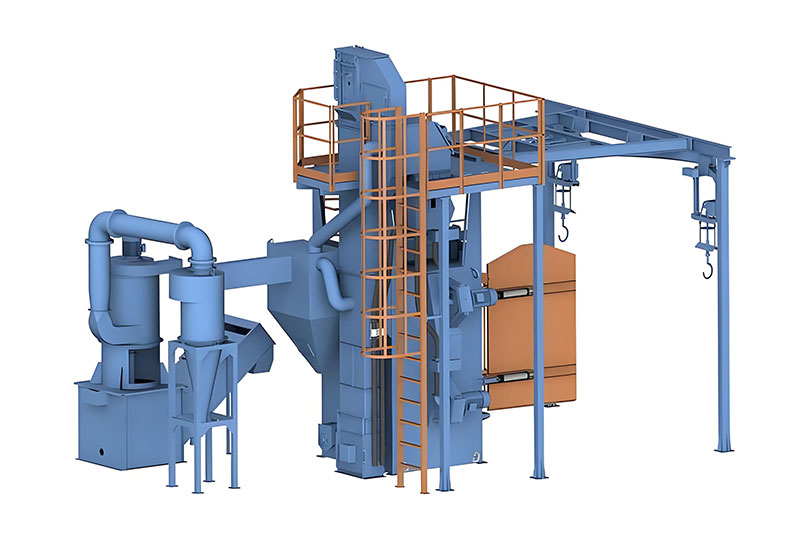
The Blast System is the core of a sandblasting booth, and its optimization is key to controlling precision in precision part processing.
- Adjust the air pressure of the Blast System: stable and appropriate air pressure (0.4-0.6MPa) ensures uniform abrasive ejection, avoiding over-blasting or under-blasting that damages precision parts. Install a pressure regulator to maintain constant pressure, preventing fluctuations that affect precision.
- Optimize the nozzle of the Blast System: select high-precision, wear-resistant nozzles with adjustable angles, and keep the nozzle distance (150-200mm) and angle (45°) consistent relative to the precision part. Replace worn nozzles promptly, as wear causes uneven abrasive flow and reduced precision.
- Control abrasive selection and supply: use fine, uniform abrasives (such as 0.1-0.3mm corundum) matching precision part requirements, and ensure the Blast System’s abrasive supply is stable to avoid insufficient or excessive feeding.
Properly optimized Blast System can significantly improve sandblasting booth precision, ensuring consistent processing quality of precision parts.
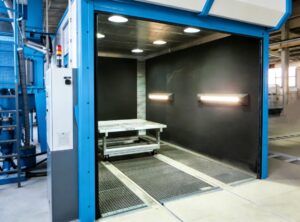
What Operational and Environmental Controls Enhance Sandblasting Booth Precision?
Operational standardization and environmental control are essential to maintain sandblasting booth precision for precision part processing.
- Standardize operation procedures: train operators to master consistent operating methods, including fixed nozzle movement speed (0.3-0.5m/min) and uniform coverage, avoiding uneven sandblasting caused by manual errors. Use fixtures to fix precision parts firmly, preventing displacement during sandblasting that affects precision.
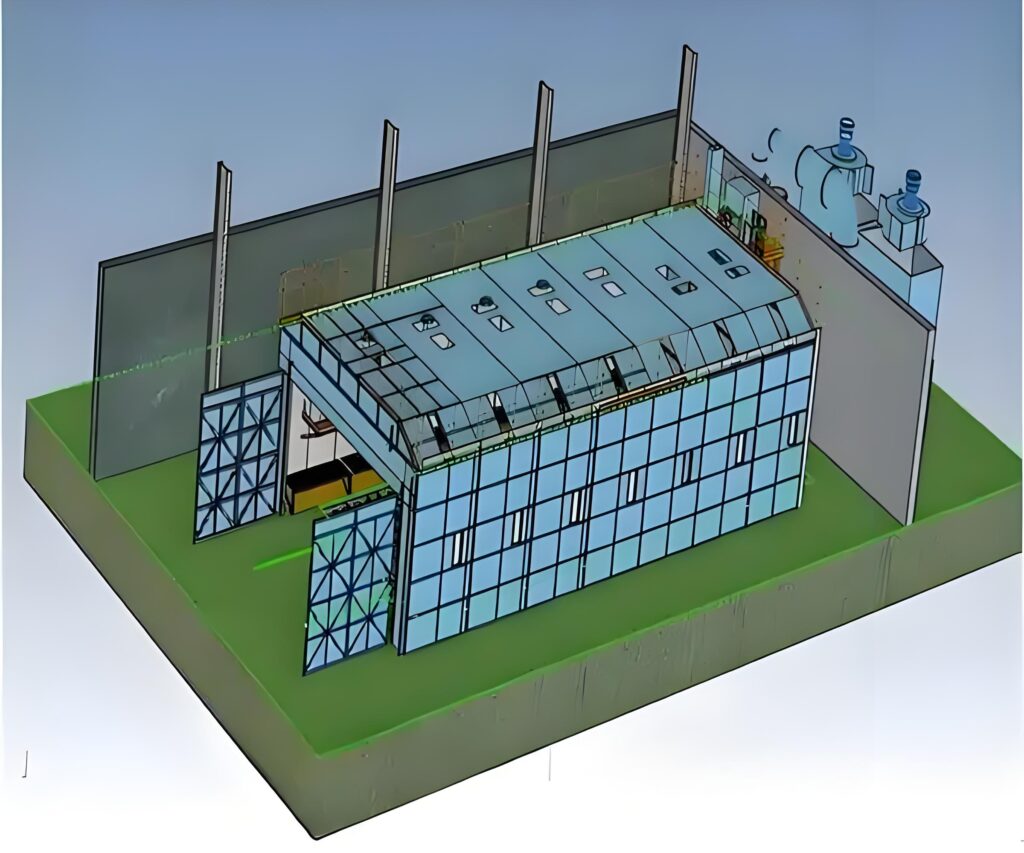
- Control the sandblasting booth environment: keep the booth clean and free of dust accumulation, as dust can block the Blast System’s pipelines and affect abrasive flow. Maintain a constant temperature (20-25℃) and humidity (40-60%) in the booth, as extreme temperature or humidity changes cause material deformation of precision parts.
- Conduct regular inspections: check the Blast System’s performance, nozzle wear, and fixture stability daily to detect and resolve issues promptly.
These operational and environmental controls work with Blast System optimization to maximize sandblasting booth precision, meeting the strict requirements of precision part processing.
Conclusion
Optimize Blast System and standardize operations to control sandblasting booth precision.
For professional advice on sandblasting booth precision control and Blast System optimization,
contact us via email: [email protected]