Sandblasting booth inefficiency wastes time and increases costs; practical tips boost Blast System performance quickly.
This guide shares practical tips to quickly improve sandblasting booth operation efficiency, optimizing Blast System performance and reducing downtime.
Explore simple and effective methods to enhance sandblasting booth efficiency below.
How to Optimize Blast System Parameters to Boost Sandblasting Booth Efficiency?
Optimizing Blast System parameters is the fastest way to improve sandblasting booth operation efficiency, as improper parameters are the main cause of low efficiency.
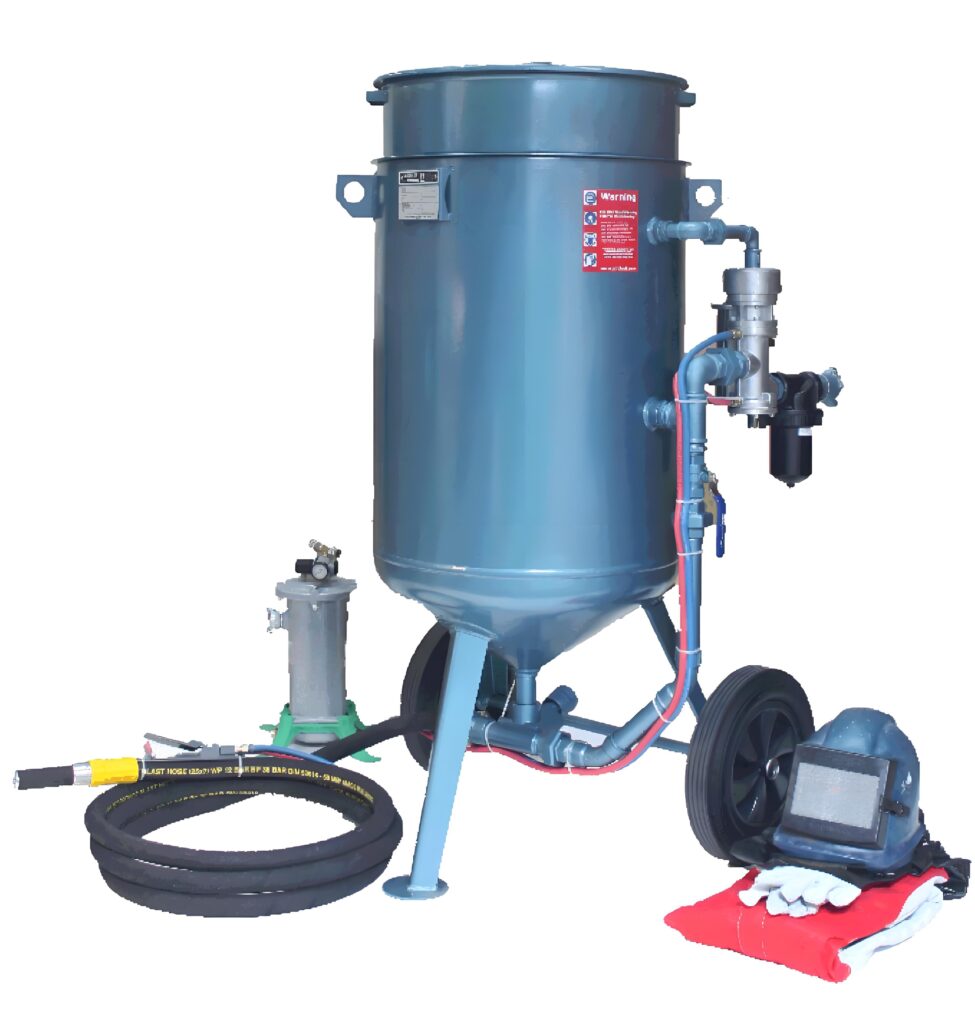
- Adjust air pressure and abrasive flow rate reasonably: according to the workpiece material and surface requirements, set the air pressure to 0.6-0.8MPa and the abrasive flow rate to 200-300kg/min, balancing cleaning effect and efficiency. Excessive pressure wastes energy, while insufficient pressure leads to rework; uneven flow rate causes inconsistent cleaning and delays.
- Optimize nozzle parameters: select the appropriate nozzle size (usually 8-12mm) and keep it 50-100mm from the workpiece at a 45-60° angle, ensuring uniform sandblasting and reducing rework. Regularly calibrate the Blast System’s pressure gauge and flow valve to maintain parameter stability, which can quickly improve sandblasting booth efficiency by 25%.
How to Improve Sandblasting Booth Efficiency by Optimizing Abrasive Management?
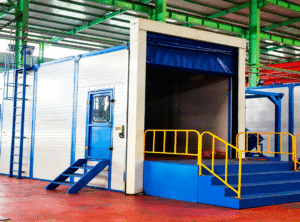
Scientific abrasive management avoids waste and downtime, directly enhancing sandblasting booth efficiency and protecting the Blast System.
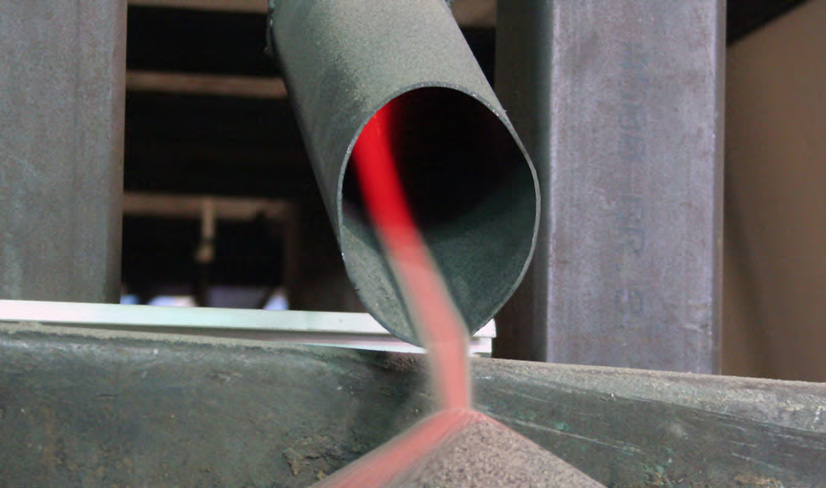
- Use high-quality, uniform-sized abrasives: choose abrasives with good wear resistance and fluidity (such as spherical steel shot), avoiding mixed or irregular particles that clog the Blast System and reduce cleaning speed. Use a multi-layer sieve to filter abrasives before adding them to the sandblasting booth, removing debris and worn particles.
- Optimize abrasive recovery: ensure the sandblasting booth’s built-in recovery system operates normally, recycling 80-90% of usable abrasives, reducing manual refilling time and abrasive costs. Regularly clean the recovery pipeline and separator to avoid clogging, ensuring continuous abrasive supply. Proper abrasive management reduces downtime by 30% and significantly improves sandblasting booth operation efficiency.
How to Reduce Downtime to Improve Sandblasting Booth Efficiency?
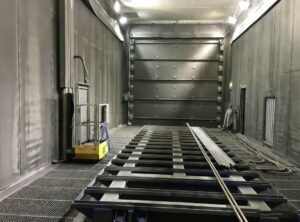
Minimizing downtime is key to improving sandblasting booth efficiency, as frequent shutdowns severely affect productivity.
- Establish a simple daily maintenance routine for the sandblasting booth and Blast System: after each shift, clean the nozzle, pipeline, and hopper to remove abrasive residues and debris that may cause blockages. Inspect the Blast System’s motor, bearings, and seals for wear or leaks, and handle minor issues promptly.
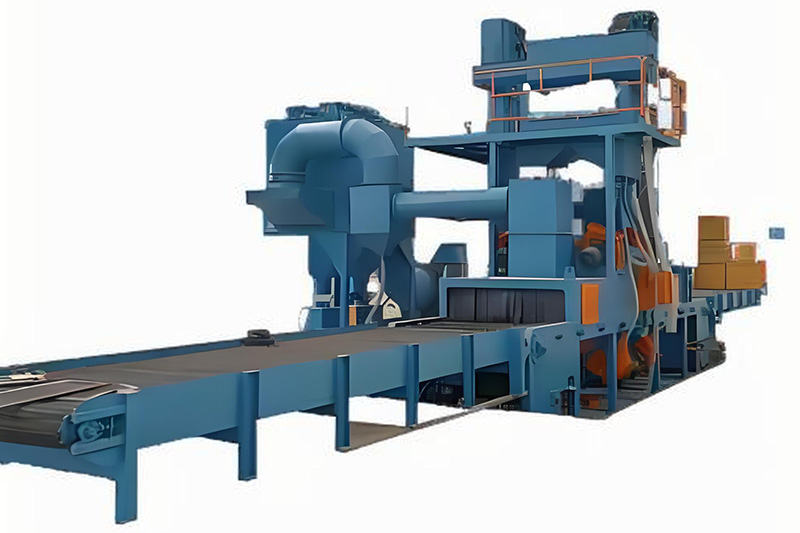
- Optimize workpiece handling: use conveyor belts or simple fixtures to realize semi-automatic feeding and unloading, reducing manual handling time and labor intensity. Arrange workpieces reasonably to avoid overlapping, ensuring full contact with abrasives and reducing rework. Third, train operators to master correct operation skills, enabling them to quickly handle small faults (such as minor clogs) and avoid unnecessary shutdowns. These measures can reduce downtime by 20% and keep the sandblasting booth operating efficiently.
Conclusion
Optimize parameters, manage abrasives and reduce downtime to boost sandblasting booth efficiency.
For professional advice on sandblasting booth and Blast System efficiency improvement,
contact us via email:[email protected]
 English
  Russian
  Spanish
  Portuguese
  French
  Indonesian
  Thai
Thai