Inefficient horizontal molding causes delays; integrate with horizontal flaskless molding machine for streamlined production.
This guide details integrating horizontal molding with horizontal flaskless molding machine, using flaskless molding machine to build a streamlined production solution.
Explore integration methods of horizontal molding and flaskless molding machine below.
The Compatibility of Horizontal Molding and Horizontal Flaskless Molding Machine
The integration of horizontal molding with horizontal flaskless molding machine is feasible and efficient because of their high compatibility, which lays the foundation for a streamlined production solution.
- Horizontal molding is a classic casting process characterized by horizontal mold parting and mold assembly, while the horizontal flaskless molding machine is a specialized flaskless molding machine designed to optimize horizontal molding by eliminating flasks. The horizontal flaskless molding machine perfectly aligns with the core principles of horizontal molding, as both focus on horizontal mold formation and efficient casting production.
- Unlike traditional flask-based molding equipment, the horizontal flaskless molding machine is engineered to fit seamlessly into horizontal molding workflows, replacing manual or semi-automatic steps with automated operations. The flaskless molding machine’s compact design and automated functions complement horizontal molding, reducing redundant processes and improving coordination.
Whether it’s sand feeding, compaction, or mold ejection, the horizontal flaskless molding machine integrates smoothly with horizontal molding, ensuring consistent process flow and reducing operational conflicts. This compatibility is key to realizing streamlined production, making the horizontal flaskless molding machine an ideal partner for horizontal molding integration.
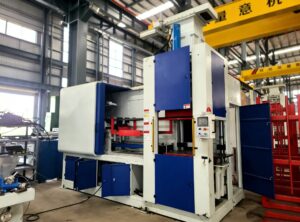
Core Integration Steps of Horizontal Molding and Horizontal Flaskless Molding Machine
Integrating horizontal molding with horizontal flaskless molding machine requires systematic steps to ensure seamless connection and optimal performance of the flaskless molding machine in horizontal molding workflows.
- The first step is process optimization: adjust the traditional horizontal molding process to adapt to the automated operation of the horizontal flaskless molding machine, such as modifying mold design to fit the flaskless structure of the flaskless molding machine.
- Second, equipment installation and calibration: install the horizontal flaskless molding machine in the horizontal molding production line, aligning it with other auxiliary equipment (such as sand mixing machines and pouring systems) to ensure smooth material and mold transfer. Calibrate the horizontal flaskless molding machine’s parameters (e.g., sand compaction pressure, mold clamping force) to match horizontal molding requirements, ensuring consistent mold quality.
- Third, automated control integration: connect the horizontal flaskless molding machine to the horizontal molding control system, enabling centralized monitoring and parameter adjustment of both the flaskless molding machine and horizontal molding processes.
- Fourth, staff training: train operators to proficiently operate the horizontal flaskless molding machine and understand its integration with horizontal molding, ensuring they can handle common issues. These steps ensure that the horizontal flaskless molding machine integrates seamlessly with horizontal molding, forming a streamlined production system.
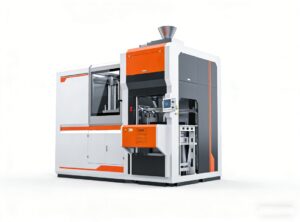
Advantages of Integrating Horizontal Molding with Horizontal Flaskless Molding Machine
Integrating horizontal molding with horizontal flaskless molding machine brings significant advantages to casting production, far exceeding traditional horizontal molding without a flaskless molding machine.
- First, it streamlines production processes: the horizontal flaskless molding machine eliminates flask handling steps in horizontal molding, reducing manual intervention and shortening the production cycle. The flaskless molding machine’s automated sand feeding, compaction, and mold ejection replace time-consuming manual operations, making horizontal molding more efficient.
- Second, it improves production consistency: the horizontal flaskless molding machine operates with precise parameters, ensuring uniform mold quality in horizontal molding, reducing casting defects and rejection rates. Unlike manual horizontal molding, the flaskless molding machine maintains stable performance, ensuring every mold meets standard requirements.
- Third, it reduces production costs: the horizontal flaskless molding machine reduces labor costs by replacing manual work, and its flask-free design saves costs on flask purchase, maintenance, and storage. Additionally, the flaskless molding machine improves sand utilization in horizontal molding, reducing sand waste.
- Fourth, it saves workshop space: the compact design of the horizontal flaskless molding machine optimizes the layout of the horizontal molding production line, making full use of available space. These advantages make the integration of horizontal molding and horizontal flaskless molding machine a cost-effective and efficient solution.
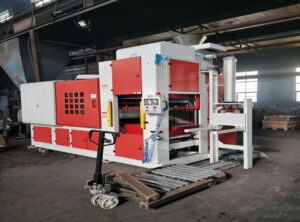
Key Considerations for Successful Integration
To ensure the successful integration of horizontal molding with horizontal flaskless molding machine, several key considerations must be addressed to maximize the performance of the flaskless molding machine in horizontal molding.
- First, select the right horizontal flaskless molding machine model: choose a flaskless molding machine that matches the scale and requirements of horizontal molding production, ensuring it can handle the workpiece size, processing volume, and quality standards of horizontal molding.
- Second, pay attention to process compatibility: adjust the horizontal molding process to fit the operational characteristics of the horizontal flaskless molding machine, avoiding process conflicts that affect production efficiency.
- Third, ensure reliable after-sales support for the horizontal flaskless molding machine: the flaskless molding machine is a core component of the integrated system, so timely maintenance and technical support are essential to avoid production interruptions.
- Fourth, establish a regular maintenance system: regularly inspect and maintain the horizontal flaskless molding machine and horizontal molding equipment to ensure their stable operation and extend service life.
- Fifth, optimize the material supply: ensure the molding sand used in horizontal molding meets the requirements of the horizontal flaskless molding machine, as poor sand quality will affect the flaskless molding machine’s performance and horizontal molding quality. Addressing these considerations ensures the integration is smooth and sustainable.
Case Study: Streamlined Production via Integration of Horizontal Molding and Horizontal Flaskless Molding Machine
A large foundry specializing in heavy-duty castings successfully integrated horizontal molding with horizontal flaskless molding machine, achieving a streamlined production solution and remarkable results.
- Before integration, the foundry used traditional horizontal molding with flask-based equipment, requiring 15 operators per production line, a production cycle of 45 minutes per mold, and a rejection rate of 7%. The manual flask handling and uneven sand compaction in horizontal molding led to inefficiencies and inconsistent quality.
- After integrating the horizontal flaskless molding machine into the horizontal molding production line, the foundry realized automated sand feeding, compaction, and mold ejection through the flaskless molding machine. The horizontal flaskless molding machine eliminated flask handling, reducing the number of operators to 6 per line and shortening the production cycle to 25 minutes per mold. The flaskless molding machine’s precise control improved the consistency of horizontal molding, reducing the rejection rate to 2%. The integrated system also saved 30% of workshop space and reduced sand waste by 25%.
This case demonstrates that integrating horizontal molding with horizontal flaskless molding machine effectively streamlines production, improves efficiency and quality, and reduces costs—proving the value of the flaskless molding machine in horizontal molding integration.
Troubleshooting Common Issues in Integration
During the integration of horizontal molding with horizontal flaskless molding machine, some common issues may arise, but targeted solutions can ensure the smooth operation of the integrated system.
- One common issue is mold misalignment between horizontal molding and the horizontal flaskless molding machine, leading to casting defects. The solution is to recalibrate the horizontal flaskless molding machine’s alignment with horizontal molding equipment, ensuring precise mold positioning.
- Another issue is inconsistent sand quality affecting the flaskless molding machine’s performance in horizontal molding—solve this by optimizing the sand mixing process and ensuring the sand meets the horizontal flaskless molding machine’s requirements.
- A third issue is equipment coordination failures between the horizontal flaskless molding machine and other horizontal molding auxiliary equipment. The solution is to check the control system connection, adjust parameters, and ensure seamless communication between the flaskless molding machine and other equipment.
Additionally, operator unfamiliarity with the integrated system may lead to operational errors—strengthen training to ensure operators master the operation of both the horizontal flaskless molding machine and horizontal molding processes. Resolving these issues ensures the integrated system operates stably, maintaining the streamlined production effect.
Conclusion
Integrate horizontal molding with horizontal flaskless molding machine for streamlined, efficient production.
For horizontal molding integration and horizontal flaskless molding machine solutions,
email:[email protected]
 English
  Russian
  Spanish
  Portuguese
  French
  Indonesian
  Thai
Thai