Guesswork in shot blaster selection wastes costs and ruins results. This guide delivers Precision Shot Blaster Selection steps for total Selection Certainty.
This guide eliminates shot blaster selection guesswork with Blaster Type Alignment, Selection Parameters Mastery, scenario matching, pitfall avoidance, and expert tips for Guesswork-Free Selection.
Dive into actionable insights below to master Precision Shot Blaster Selection with confidence.
What are the core shot blaster types to consider for selection?
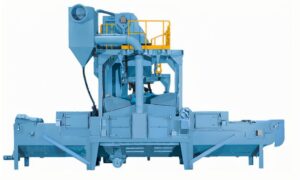
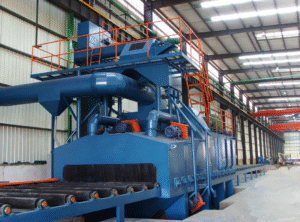
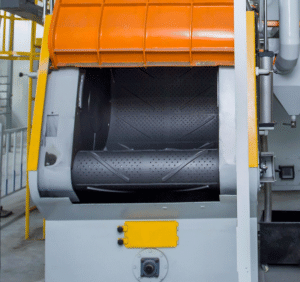
To achieve Guesswork-Free Selection, understanding core shot blaster types is foundational—each type demands specific Blaster Type Alignment with your needs. Tumblast machines excel for small, bulk workpieces like screws or gears, featuring rotating drums that ensure uniform abrasive contact. Track-type models suit medium-sized parts (e.g., castings, brake discs) with conveyor tracks for efficient batch processing. Hook-type blasters handle large, heavy workpieces (steel beams, engine blocks) via rotating hooks, eliminating cleaning dead ends. Through-type machines cater to long workpieces (profiles, plates) for continuous assembly line use. Knowing these types lets you avoid guesswork by aligning machine design with your workpiece size, weight, and production scale—key to Selection Certainty. Each type’s unique structure dictates its suitability, so mastering their differences is the first step to Precision Shot Blaster Selection.
What key parameters eliminate guesswork in shot blaster selection?
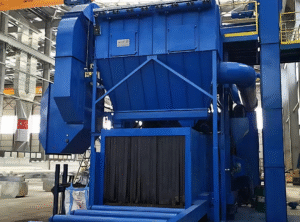
Selection Parameters Mastery is the backbone of Guesswork-Free Selection, as ignoring critical parameters leads to costly guesswork. Core parameters include workpiece characteristics (size, weight, material), production volume, abrasive compatibility, and environmental compliance. For workpiece details: delicate aluminum parts require low-abrasive intensity, while steel castings need high power. Production volume dictates machine capacity—small batches thrive with tumblast models, high-volume lines need through-type or track-type machines. Abrasive type (steel shot, glass beads) must match both workpiece material and machine design for optimal results. Environmental parameters (dust collection efficiency, noise levels) ensure regulatory compliance, avoiding post-purchase surprises. By systematically evaluating these parameters, you replace guesswork with data-driven decisions, achieving Selection Certainty and ensuring Blaster Type Alignment with your operational needs.
How to match shot blasters to your specific industrial scenarios?
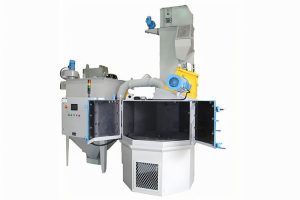
Scenario matching is critical for Precision Shot Blaster Selection, as it ensures Blaster Type Alignment without guesswork. The hardware industry, processing small bulk parts, benefits most from tumblast machines—their compact design and batch processing suit small workshops. Foundries and auto parts plants, handling medium-sized castings and components, gain efficiency from track-type blasters that balance speed and versatility. Steel structure and shipbuilding industries rely on hook-type machines to clean large, complex workpieces with 360-degree blasting. Construction steel and aerospace sectors, processing long profiles or plates, integrate through-type blasters into assembly lines for continuous production. By mapping your industry’s unique demands (workpiece type, production flow, space constraints) to machine capabilities, you achieve Guesswork-Free Selection and avoid mismatches that waste time and money. This scenario-driven approach is key to Selection Certainty.
What common pitfalls should you avoid to select with confidence?
Avoiding pitfalls is essential for Guesswork-Free Selection, as mistakes undermine Selection Certainty and negate Precision Shot Blaster Selection efforts. A top pitfall is ignoring Blaster Type Alignment—choosing a tumblast machine for large workpieces or a hook-type model for small batches. Another error is neglecting Selection Parameters Mastery, such as overestimating production volume or ignoring space constraints. Many buyers also guess at abrasive compatibility, leading to workpiece damage or machine wear. Skipping environmental compliance checks risks regulatory fines and operational disruptions. To avoid these, prioritize data over assumptions: document your workpiece specs, production needs, and site limits, then cross-reference with machine capabilities. This structured approach eliminates guesswork, ensuring you select a blaster that meets all requirements without costly compromises.
What expert tips ensure stress-free, accurate shot blaster selection?
Expert tips refine Precision Shot Blaster Selection, locking in Guesswork-Free Selection and Selection Certainty. First, consult with manufacturers to validate Blaster Type Alignment—their expertise helps match your needs to machine capabilities. Second, test machines with your actual workpieces when possible, verifying cleaning quality and efficiency firsthand. Third, prioritize after-sales support and spare parts availability, as downtime from hard-to-find components erodes value. Fourth, factor in long-term costs (energy, maintenance, abrasive replacement) alongside upfront price, avoiding short-sighted guesses about total ownership costs. Finally, leverage industry case studies—learning from similar businesses’ successful selections eliminates trial-and-error. By combining these tips with Selection Parameters Mastery, you achieve stress-free, accurate selection that delivers long-term value and performance.
Conclusion
Follow this guide for Guesswork-Free Selection—master types, parameters, and tips for success.